Late-Summer Pollinator Gap: How to Keep Bees and Butterflies Fed Until Fall
October 12, 2026 - Pollinators

October 08, 2026 - Meadow Care

October 01, 2026 - Wildflowers
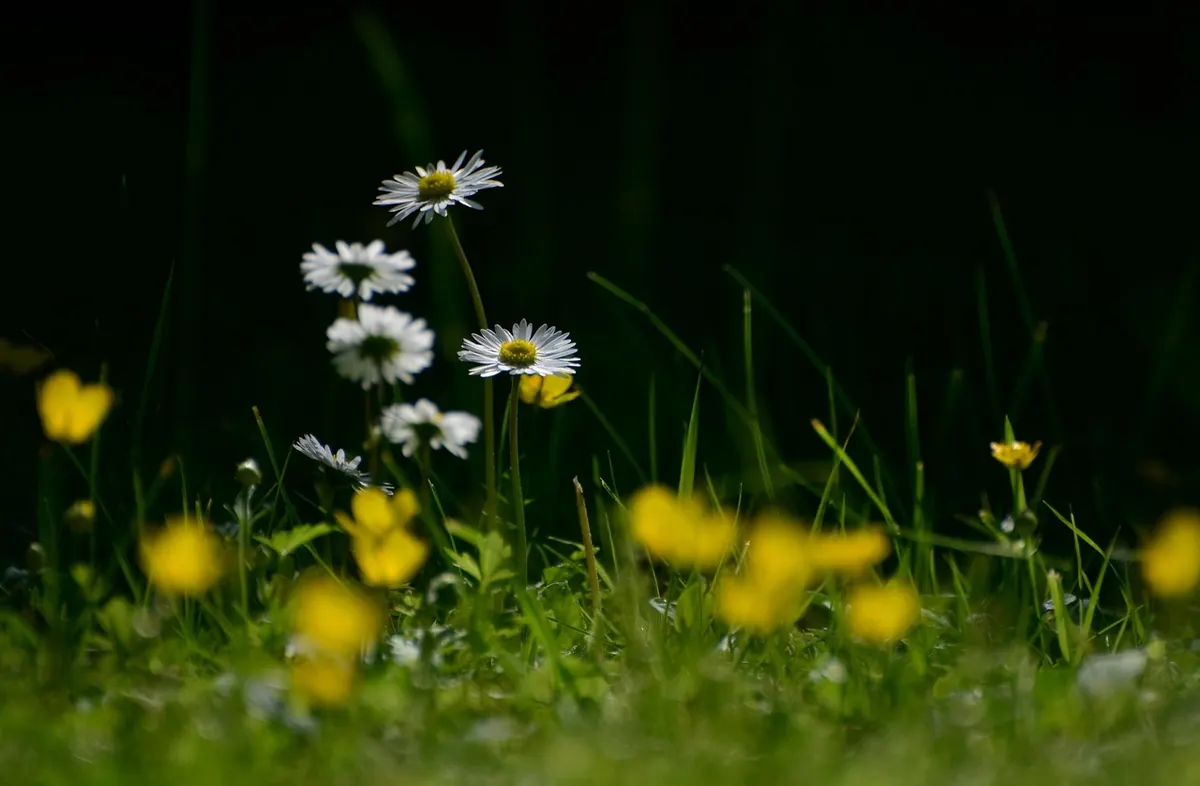
A mower left in the shed for thirty-one days is one of the easiest conservation gestures a homeowner can make. It costs nothing, and the results appear fast: dandelions open, white clover spreads through the turf, and the first bumblebee queens of the year find food in a lawn that usually offers them none.
That is the appeal of No-Mow May, a campaign that began in Britain and has spread widely since. It is also why the idea gets more credit than it can carry. A month of scruffy grass is a start, not habitat, and treating it as the finish line leaves gardeners wondering why the bees never arrived in the numbers they pictured.
Here is a realistic look at what a May-long pause does well, where it falls short, and how to move a lawn toward real habitat.
The premise is simple: park the mower for May and let the plants already in your lawn flower. Most lawns hold more than grass — clover, selfheal, speedwell, buttercups, daisies, violets, ground ivy — and these are exactly the low, open flowers small insects can reach. Mown weekly, they never get the chance to open.
It is not a demand to abandon the yard. Paths, play areas and the strip by the front door can stay tidy. The point is to give the flowering layer a month to exist, in the season when flowers are scarcest.
Spring is a lean time. Trees and shrubs bloom in bursts, then stop. Queen bumblebees emerging from hibernation, early solitary bees, hoverflies and the first small butterflies need something to bridge the gap before summer gardens come online. A lawn full of clover and dandelions is not glamorous forage, but it is available, and it is everywhere.
Flowers you are likely to gain:
There are quieter benefits too. A month without blades means mowers aren't shredding insects or compacting soil, and undisturbed ground can shelter ground-nesting bees. It also changes what neighbours notice: a lawn that buzzes is a conversation starter.
A month off does not create diversity where none exists. If years of weedkiller and fertiliser have left a dense carpet of one or two grass species, leaving the mower idle will not summon wildflowers. You may get longer grass, and that is about it.
It also does not solve the timing problem. A hard cut on 1 June strips the food supply in a single afternoon, often just as other insects are emerging. And it addresses food only. Most struggling pollinators also need nesting sites, overwintering places and host plants for their larvae: bare soil, hollow stems, leaf litter, and the specific plants their caterpillars eat. None of that comes from a mowing holiday.
Two practical caveats. If your lawn is thick with invasive plants that spread by seed, letting them flower can make next year harder. And a single unmown lawn in a street of crew-cut turf is an island — valuable, but small.
The mowing you do around the pause has more influence than the pause itself. A few habits pay off:
You do not have to choose between a lawn and a meadow. The best conversions happen slowly, over two or three seasons.
Tell the neighbours before June, not after. A short note, or a small sign explaining that the long grass is deliberate, prevents most complaints. Check local bylaws and any homeowners association rules first — many set height limits, and
Photo: aszak / Pixabay
Most gardens peak in June and again in September, leaving bees and butterflies hungry in between. Here's how...
Turn a balcony or patio into a working pollinator patch with the right containers, sun, plants, and watering routine...
Copyright © 2026 The Meadow Courier. All Right Reserved.