Late-Summer Pollinator Gap: How to Keep Bees and Butterflies Fed Until Fall
October 12, 2026 - Pollinators


October 08, 2026 - Meadow Care

October 01, 2026 - Wildflowers
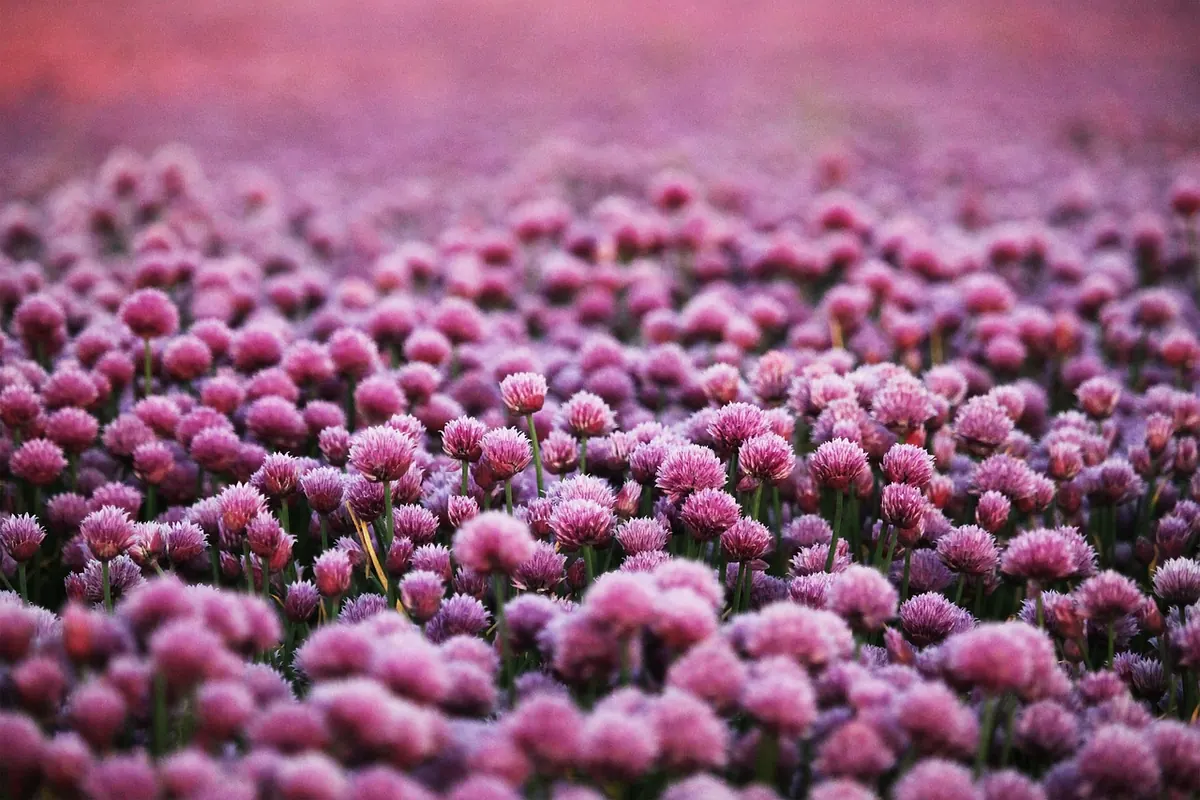
A meadow is not a lawn that got away. It is a community of plants with a schedule: grasses that surge in May, perennials that flower in flushes, seed that has to ripen before the mower arrives. Cut at the wrong moment and you carry next year's flowers away with the hay. Cut at the right one and the meadow thickens on its own, with very little help from you.
What follows is a working calendar for temperate climates — roughly the zone where winters bring frost and summers stay mild enough for grass to keep growing. Treat the months as guides, not rules. Coastal ground runs a fortnight ahead of upland ground, and a cold spring can push everything back three weeks. Watch your own meadow, note the dates, and let it correct the calendar.
This is the cut that clears the way. If you left seedheads and tussocks standing through winter — and you should have — take them down as the first fresh green appears at the base of the grasses. Aim for 10 cm of stubble, then rake off the litter. On saturated ground, wait for a dry spell: wheels and boots compact wet soil and leave ruts that last for years.
Weeding is easier now than at any other time. Docks, thistles, and shrub seedlings lift cleanly from soft ground, root and all. Cut ragwort before it yellows, and pull any bramble or sapling that would eventually shade out the flowers. Sowing can wait; seed dropped into a cold, wet seedbed mostly rots.
Wildlife: look for frog and toad spawn in damp hollows, and the first bumblebee queens on warm afternoons. Leave a few dandelions and deadnettles standing, and start a notebook.
Growth accelerates, and so does the temptation to tidy. Resist it. Spring is when meadow plants build leaf and root, and a close cut now removes flowering stems before they form.
The meadow is at its peak, and the main decision of the year arrives: when to make the hay cut. The rule is simple — wait until most flowers have set and dropped seed, then cut. In temperate lowlands that usually lands in mid to late July; in cooler or wetter places, early August.
Scarify bare patches with a rake and scatter yellow rattle seed in late summer or early autumn — fresh seed, sown onto short grass. This native annual draws water and nutrients from grasses, thinning them and opening space for wildflowers. It does more for a stubborn grassy meadow than any fertiliser ever will.
Second cuts are optional. If growth is rank, a light cut to 10 cm keeps the sward open; if the ground is dry and thin, leave it. This is the best window for sowing a new meadow or filling gaps in an old one: the soil is warm, autumn rain is coming, and seedlings get a head start before winter.
Sow thinly — most native wildflower mixes go on at just a gram or two per square metre — and mix the seed with sand or dry soil so you can see where it lands. Roll or tread it in; seed needs contact with soil, not a cushion of thatch. Collect seed from your own meadow as it ripens, keeping each species in a paper bag labelled with the date.
Weeding now means catching invaders before they ripen. Watch for late butterflies and note which flowers they favour.
The final cut of the year, if you need one, should come before the ground turns cold and wet. Take it down to about 10 cm and clear the cuttings, then leave the meadow alone.
Autumn is prime planting time for plugs and wildflower bulbs, and the best moment to sow yellow rattle. It is also the time to think about structure: a few standing seedheads, a log pile, a shallow scrape of bare earth for basking invertebrates and ground-nesting bees. These small features do more for wildlife than any seed mix.
Monitoring in autumn means birds. Finches and tits work the seedheads, and thrushes arrive on the first cold snap. Note what is feeding and on which plants, and leave those stems standing through winter.
Little to do, and that is the point. A meadow left standing holds insects in hollow stems, shelters frogs in tussocks, and feeds birds through the lean months. Stay off wet ground, keep paths clear if you use them, and leave hedges and scrub alone — in many regions cutting during the nesting season is both harmful and against local wildlife law, so check the rules where you live.
Use the quiet weeks for planning: order seed, sharpen the scythe, and read back through your notes. Which species flowered first? Which failed? Where did the grass win?
Every meadow responds differently to the same advice, so the most valuable tool you own is a cheap notebook. Write down dates, not impressions: the day you cut, the day the first ox-eye daisy opened, the week the bees appeared, the height of the grass before mowing. After two or three years you will have a calendar tuned to your soil and your climate, and it will beat any general guide — including this one.
Aim for a meadow that is cut, not tidied; sown, not fed; and watched more than it is worked. Keep to that, and the flowers will do the rest.
Photo: akinch / Pixabay
Most gardens peak in June and again in September, leaving bees and butterflies hungry in between. Here's how...
Turn a balcony or patio into a working pollinator patch with the right containers, sun, plants, and watering routine...
Copyright © 2026 The Meadow Courier. All Right Reserved.